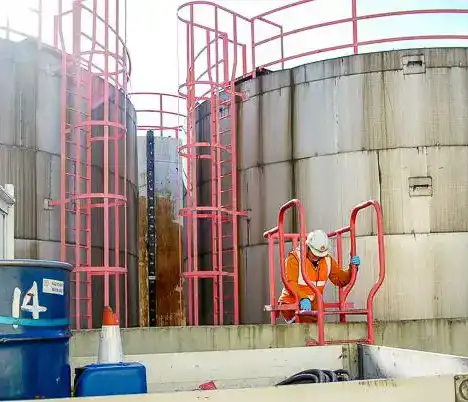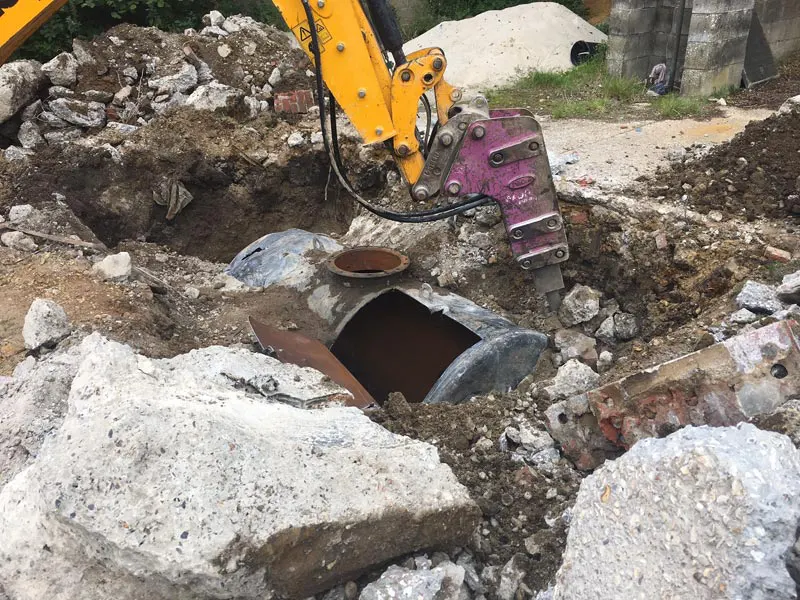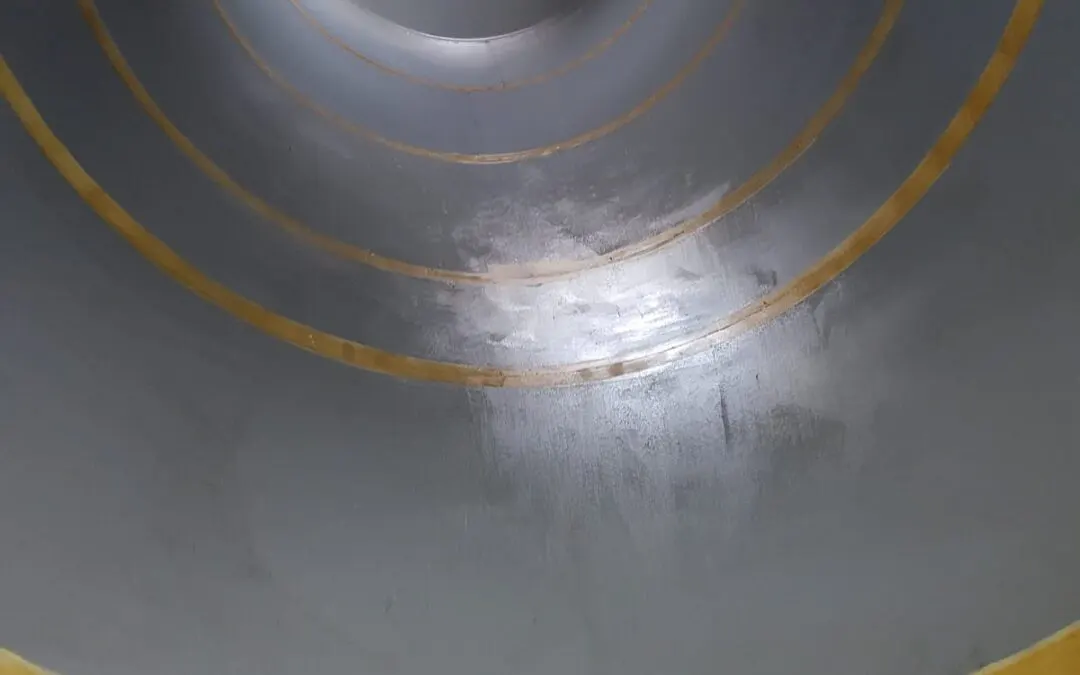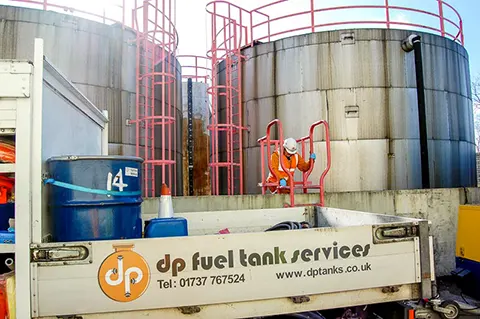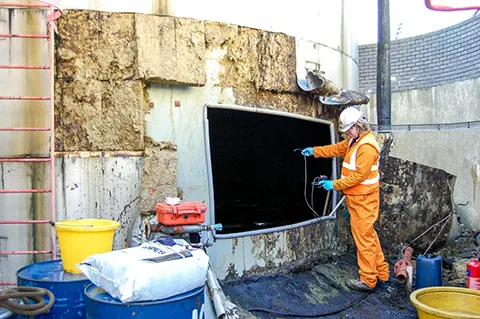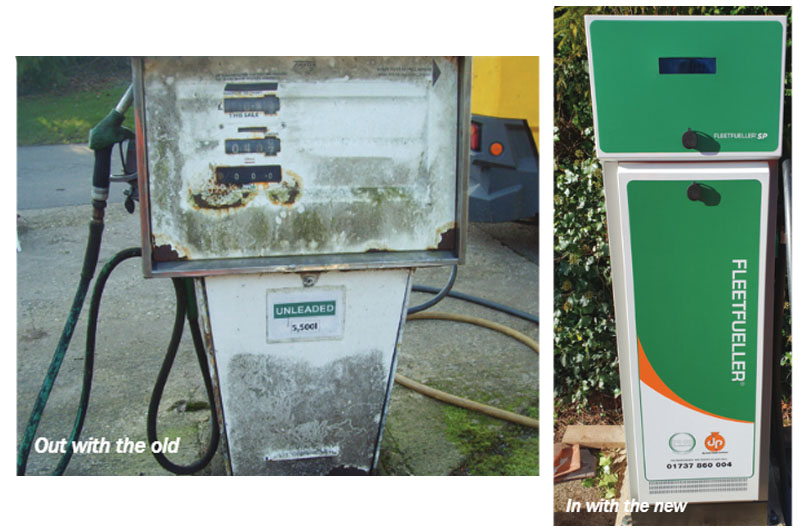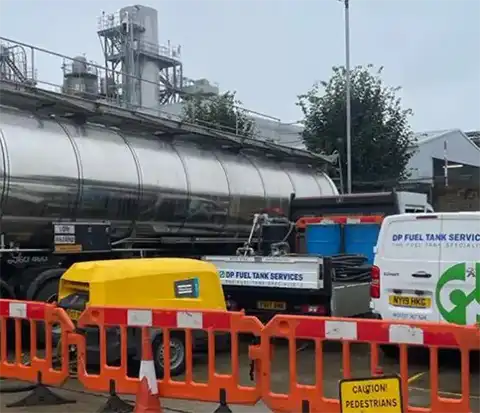
Keeping a fuel tank clean is an important part of maintaining a reliable fuel storage system. Over time, water, sludge, sediment and other contaminants can build up inside a tank, affecting fuel quality and potentially causing problems with pumps, filters and equipment.
Regular fuel tank cleaning can help prevent these issues and extend the working life of your fuel storage system.
Why Do Fuel Tanks Need Cleaning?
Even a well-maintained fuel tank can develop contamination over time. Condensation can introduce water, while rust, sediment and debris can gradually collect at the bottom of the tank.
Diesel tanks can also be affected by microbial contamination, often known as “diesel bug”. This can create sludge within the tank and contribute to blocked filters and poor fuel quality.
Leaving contamination untreated can eventually lead to operational problems, increased maintenance costs and potentially unexpected downtime.
When Should a Fuel Tank Be Cleaned?
There is no single cleaning schedule that applies to every tank. Instead, cleaning should usually be based on the condition of the tank and fuel.
Common signs that fuel tank cleaning may be required include:
• Water detected inside the tank
• Sludge or sediment build-up
• Contaminated or deteriorating fuel
• Frequently blocked fuel filters
• Signs of microbial contamination
• Internal corrosion
Tank cleaning may also be recommended following an inspection or before changing the type of fuel or product stored.
Why Is Fuel Tank Cleaning Important?
One of the biggest benefits is protecting fuel quality. Removing water, sludge and sediment reduces the chance of contaminated fuel entering generators, vehicles or industrial equipment.
Cleaning can also make it easier to identify corrosion or damage inside the tank. Finding these issues early can allow repairs or maintenance to be carried out before they develop into more serious problems.
For businesses that rely on stored fuel for critical operations, preventative maintenance can also reduce the risk of unexpected operational disruption or downtime.
Fuel Tank Cleaning vs Fuel Polishing Fuel
polishing and tank cleaning are often mentioned together, but they serve slightly different purposes. Fuel polishing filters the stored fuel to remove water and contaminants, while tank cleaning focuses on removing deposits and contamination that have accumulated within the tank itself.
Depending on the condition of the fuel storage system, one or both services may be recommended.
Does Your Fuel Tank Need Cleaning?
The best way to determine whether cleaning is required is through regular fuel tank inspection and maintenance. This allows potential contamination, water ingress, corrosion and other issues to be identified before they become more expensive problems.
DP Tanks provides professional fuel tank services for commercial and industrial fuel storage systems. If you’re concerned about contamination or the condition of your tank, our team can assess your system and recommend the appropriate next steps.
Need advice about your fuel tank? Contact DP Fuel Tank Services today to discuss your fuel storage and maintenance requirements.